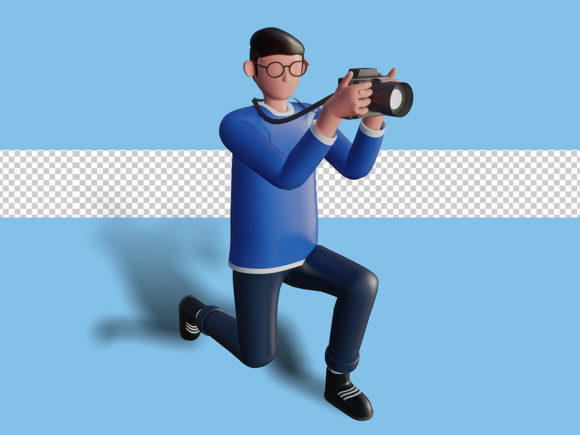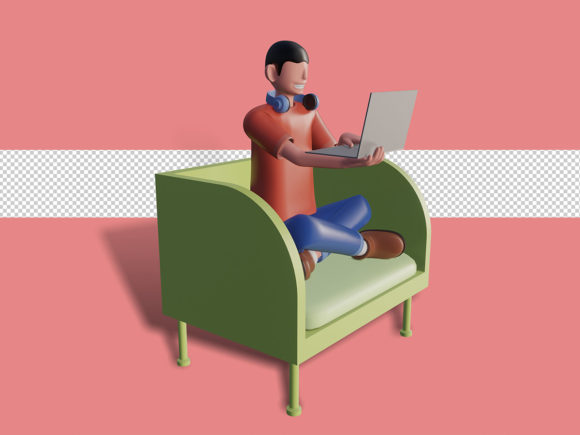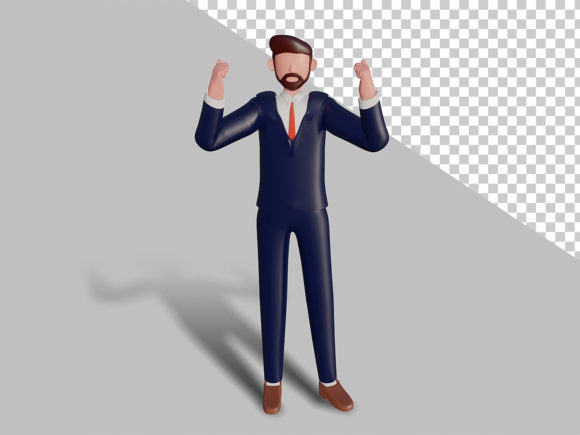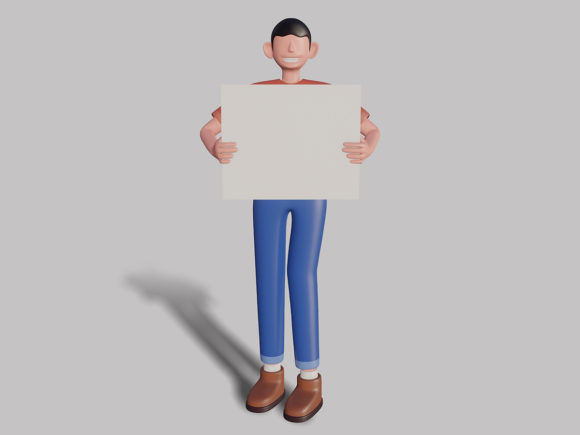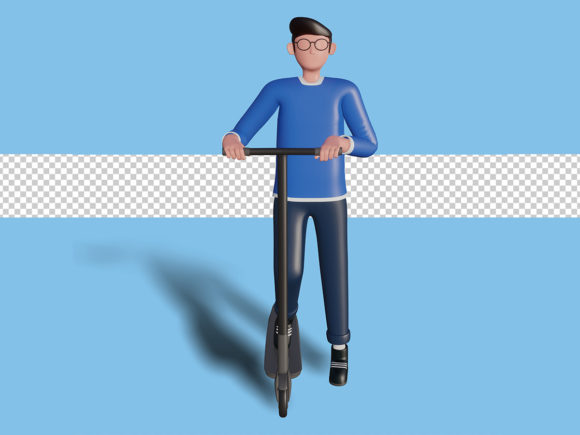
3d Illustration of a Character Riding
In the modern digital landscape, visual communication is paramount. Designers and developers constantly seek assets that not only capture attention but also convey complex ideas with clarity and style. One such asset that has gained significant traction in recent years is the 3d Illustration of a Character Riding. This specific type of imagery offers a unique blend of dynamic motion, three-dimensional depth, and narrative potential. Whether you are building a landing page for a new application or creating marketing materials for a brand, understanding the utility and implications of this asset class is crucial for making informed design decisions.
This article explores the practical applications, benefits, and considerations associated with using a 3D illustration featuring a character riding, whether on a bicycle, motorcycle, horse, or other vehicle. By evaluating these elements objectively, readers can determine if this visual style aligns with their project goals and audience expectations.
Understanding the Asset: What Is It?
A 3d Illustration of a Character Riding refers to a computer-generated image where a human figure is depicted in motion atop a mode of transport. Unlike flat vector illustrations, which rely on two-dimensional shapes and solid colors, 3D illustrations utilize lighting, shading, perspective, and texture to create a sense of volume and realism. The "riding" aspect adds a layer of kinetic energy, suggesting movement, journey, progress, or freedom.
These assets are often provided as high-resolution files, such as JPEGs at 4500 x 4500 pixels, alongside editable PSD (Photoshop Document) files. This dual-format availability allows designers to use the final rendered image for quick deployment while retaining the ability to tweak colors, backgrounds, or specific elements within the source file. The high resolution ensures that the image remains crisp even when scaled up for large displays or print media.
Why Choose 3D Character Illustrations?
The shift from flat design to 3D graphics is not merely aesthetic; it serves functional purposes in user interface (UI) and user experience (UX) design. Here are several reasons why professionals might choose a 3d Illustration of a Character Riding for their projects:
- Depth and Realism: 3D graphics provide a level of detail and textural richness that flat designs often lack. This can make a website or app feel more immersive and engaging.
- Emotional Connection: Characters allow users to relate to the content on a personal level. A rider looking ahead can symbolize ambition, while a relaxed posture might suggest ease of use.
- Modern Aesthetic: The current trend in tech and creative industries favors fresh, vibrant, and slightly surreal visuals. 3D illustrations fit seamlessly into this contemporary design language.
- Versatility: These images can be adapted for various contexts, from hero sections on websites to social media banners and printed brochures.
Key Applications and Use Cases
The versatility of a 3d Illustration of a Character Riding makes it suitable for a wide range of digital and physical media. Below are common scenarios where this asset excels:
Landing Pages and Hero Sections
For SaaS platforms, travel agencies, or fitness apps, a hero image is the first thing a visitor sees. A 3D character riding a bike or scooter can visually represent speed, efficiency, or an active lifestyle. Because the image is typically isolated on a transparent or solid background, it can be easily integrated into custom layouts without clashing with existing color schemes.
User Interface (UI) Design
In mobile app development, illustrations are often used to guide users through onboarding processes or to display empty states (e.g., when no data is available). A 3D character can soften the technical nature of these screens, making the interface feel more friendly and approachable.
Showcase and Portfolio Sites
Creative professionals often use high-quality 3D illustrations to demonstrate their ability to handle complex visual tasks. For brands showcasing innovative products, such as electric vehicles or smart helmets, a matching 3D illustration reinforces the product’s modern identity.
Print Materials
With a resolution of 4500 x 4500 pixels, these images are ideal for high-quality print. They can be used in posters, flyers, or business cards where sharp details are required. The inclusion of a PSD file allows for easy customization, such as changing the brand colors to match corporate identity guidelines before sending the file to print.
Benefits and Tradeoffs
While 3D illustrations offer many advantages, they also come with specific tradeoffs that designers must consider during the planning phase.
Benefits
- High Impact: 3D visuals stand out in a feed of predominantly 2D content, increasing click-through rates and engagement.
- Editability: Access to the PSD file means the asset is not static. Designers can adjust lighting, swap objects, or modify the environment to better suit specific campaign needs.
- Scalability: High-resolution JPEGs ensure quality across different screen sizes and resolutions, reducing the need for multiple versions of the same image.
Considerations and Limitations
- File Size and Performance: High-resolution 3D images can be large in file size. If not optimized correctly, they may slow down website loading times, negatively impacting SEO and user experience. WebP formats or compression techniques may be necessary for web deployment.
- Design Cohesion: Not all design systems support 3D elements well. A heavily stylized 3D character might clash with a minimalist, flat-design interface. Consistency in visual style is key.
- Cost and Licensing: Premium 3D illustrations often come with higher costs than free stock photos. Additionally, licensing terms vary; some may restrict commercial use or require attribution. Always review the license agreement carefully.
When to Consider Alternatives
While a 3d Illustration of a Character Riding is a powerful tool, it is not always the best choice. In certain situations, alternative visual strategies may be more effective:
- Accessibility Concerns: Complex 3D scenes can sometimes be difficult for screen readers to interpret or for users with cognitive disabilities to process quickly. Simple, clear icons or flat illustrations may be more accessible.
- Budget Constraints: If the project budget is tight, investing in premium 3D assets might not be feasible. Free vector libraries or simpler graphic styles could serve the purpose adequately.
- Brand Identity Mismatch: Some brands prioritize a strictly professional, serious tone. A playful or stylized 3D character might undermine the brand’s authority. In such cases, photography or abstract geometric shapes might be more appropriate.
Practical Decision-Making Insights
To determine if this asset fits your needs, ask yourself the following questions:
- What is the primary goal of the visual? Is it to evoke emotion, explain a concept, or simply decorate? 3D characters excel at evoking emotion and adding personality.
- Who is the target audience? Younger, tech-savvy audiences often respond well to 3D trends. More traditional demographics might prefer realistic photography or clean vector art.
- Do you have the resources to edit? If you plan to customize the image, ensure you have the software (like Adobe Photoshop) and the skills to work with PSD files effectively.
- How will it be used? For web headers, optimize the file size. For print, leverage the high resolution. Knowing the end-use helps in selecting the right format and quality.
Conclusion
A 3d Illustration of a Character Riding represents a versatile and visually striking option for modern design projects. Its ability to convey motion, depth, and narrative makes it particularly effective for landing pages, UI components, and marketing materials. However, successful implementation requires careful consideration of file performance, brand consistency, and accessibility standards.
By weighing the benefits of high-impact visuals against the potential tradeoffs of complexity and cost, designers can make informed choices that enhance their projects. When used strategically, this type of illustration can elevate a brand’s visual identity, creating a memorable and engaging experience for users. Whether you are updating a website header or designing a comprehensive brand showcase, integrating a well-crafted 3D character can add a fresh, attractive look that resonates with contemporary audiences.