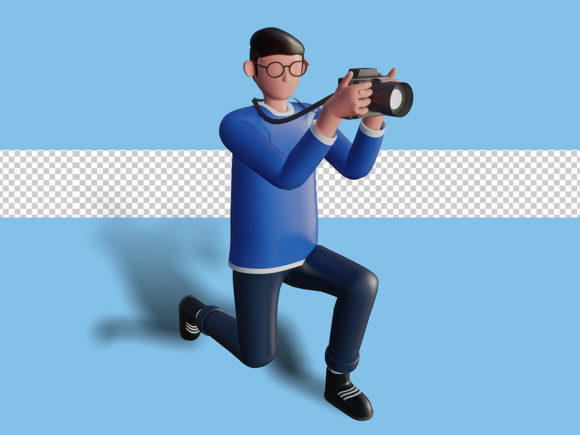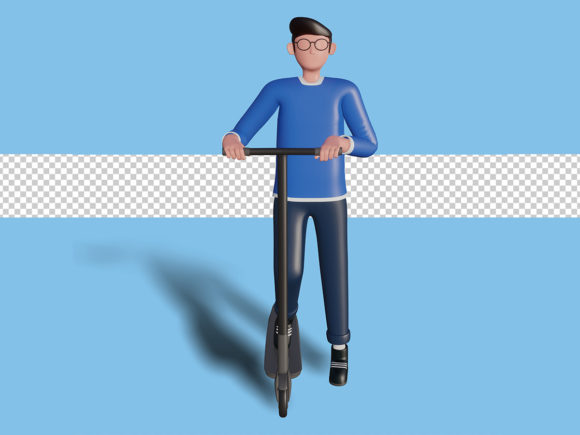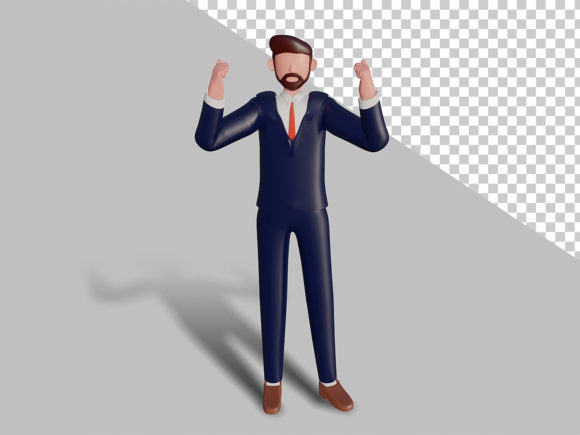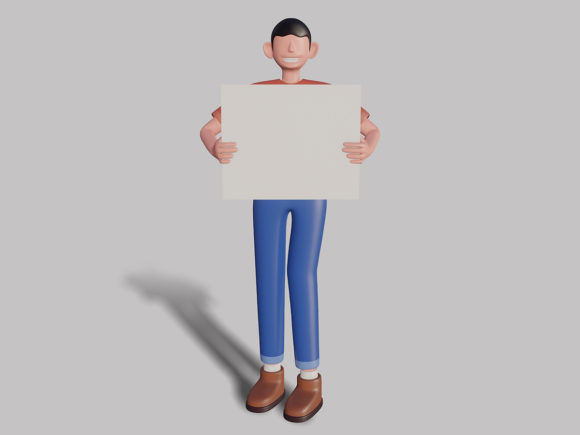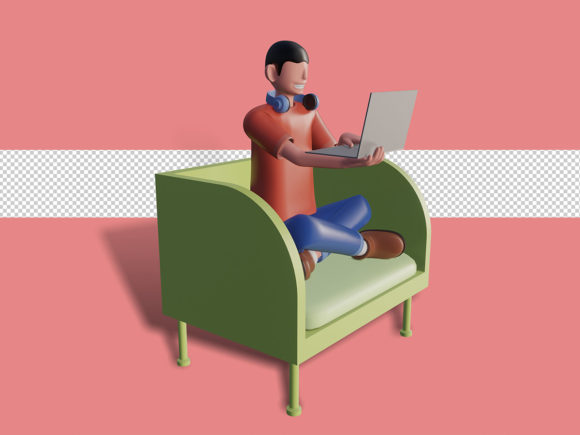
3d Illustration of Remote Working Scenes
The way we work has shifted dramatically over the last few years. For many professionals, the traditional office cubicle has been replaced by a home desk, a co-working space, or even a coffee shop corner. This transition isn't just about changing locations; it is about redefining how we present our services, products, and ideas to the world. In this new digital-first landscape, visuals matter more than ever. You need imagery that speaks to your audience instantly, conveying professionalism, comfort, and modernity without saying a word.
This is where a 3d Illustration of Remote Working Scenes becomes an invaluable asset. It is not merely a picture; it is a versatile design tool that allows you to showcase your brand in a context that resonates with today’s workforce. Whether you are a freelancer pitching a project, a startup founder building a landing page, or an educator creating course materials, having access to high-quality, customizable 3D visuals can elevate your communication from generic to compelling.
Why Visual Context Matters in Remote Work
When people browse websites, read blogs, or scroll through social media, they process visual information far faster than text. A static image of a laptop on a plain background often feels cold or disconnected. However, a well-crafted 3D scene depicting a cozy home office setup with natural lighting, plants, and ergonomic furniture creates an emotional connection. It suggests productivity, balance, and style.
A 3d Illustration of Remote Working Scenes offers a fresh look that stands out in crowded feeds. Unlike stock photography, which can sometimes feel staged or overly curated, 3D illustrations provide a clean, stylized aesthetic that is easy to integrate into various design systems. They allow for perfect consistency across different platforms, ensuring that your brand identity remains cohesive whether someone sees it on a mobile device or a large desktop monitor.
Real-World Applications for Creators and Professionals
The utility of these illustrations extends far beyond simple decoration. Here is how different groups of users can leverage this resource in their daily workflows:
Digital Marketers and Bloggers
If you run a blog or manage social media channels, you know that click-through rates depend heavily on engaging headers. Using a 3d Illustration of Remote Working Scenes as a header image or featured post graphic can significantly boost engagement. These images are eye-catching but not distracting, allowing your headline to take center stage. For marketers promoting remote work tools, SaaS platforms, or online courses, these visuals provide the perfect contextual backdrop to demonstrate product usage.
Freelancers and Designers
For freelancers, first impressions are everything. When updating a portfolio or creating a proposal deck, you want to show potential clients that you understand the modern work environment. Placing your own design mockups into a 3d Illustration of Remote Working Scenes allows you to present your work in a realistic setting. Imagine showing a client a website design displayed on a sleek monitor within a beautifully rendered home office. It helps them visualize the final result and builds trust in your ability to deliver polished, professional outcomes.
Educators and Content Creators
Online education has exploded, and instructors need visuals that make learning feel accessible and engaging. A 3d Illustration of Remote Working Scenes can be used in slide decks, webinar backgrounds, or promotional banners for workshops. The clean lines and organized nature of 3D art help reduce cognitive load for students, keeping the focus on the educational content rather than chaotic or cluttered imagery.
Technical Advantages: Speed and Flexibility
One of the most significant benefits of using this specific type of illustration is its technical efficiency. In the fast-paced world of digital content creation, time is money. The feature set designed around smart objects in Photoshop makes this resource incredibly user-friendly.
- Smart Object Integration: You do not need advanced 3D modeling skills to use this asset. By simply dragging and dropping your design into the designated smart object layer, the illustration automatically adapts to the perspective and lighting of the scene. This means you can place your logo, UI design, or artwork in seconds.
- High-Resolution Quality: With dimensions of 4500 x 4500 pixels, this file ensures crisp clarity even when printed at large sizes. Whether you are creating a banner for a conference or a high-res image for a website, the quality remains sharp.
- Organized Workflow: The layers are neatly named and organized. This prevents the frustration of hunting for specific elements during editing. If you need to change the color of a chair or adjust the position of a plant, you can do so quickly without disrupting the rest of the composition.
Where and How to Use These Assets
The versatility of a 3d Illustration of Remote Working Scenes allows it to fit into numerous creative projects. Here are some practical scenarios to consider:
- UI/UX Design Showcases: When presenting interface designs to stakeholders, embedding your screens into a 3D environment adds depth and realism. It transforms a flat screenshot into a tangible product experience.
- Portfolio Headers: Personal websites benefit greatly from unique hero images. A custom-colored or themed version of a remote work scene can serve as a memorable introduction to your personal brand.
- Print Materials: Due to the high resolution (4500 x 4500 px), these files are suitable for print purposes such as business cards, flyers, or brochures. The vector-like quality of 3D renders ensures they reproduce well on paper.
- Social Media Campaigns: Create a series of posts featuring different angles or slight variations of the scene to maintain visual interest while promoting a single campaign or product launch.
What to Consider Before Using
While these assets are powerful, it is important to approach their use strategically. First, consider your brand colors. Although the illustration comes with a default palette, you should ensure that the tones complement your existing branding guidelines. Most PSD files allow for easy color adjustments, so take advantage of this to create a seamless visual identity.
Secondly, think about the message you want to convey. Not all "remote work" scenes are created equal. Some may depict a minimalist, focused environment, while others might show a collaborative, lively space. Choose the scene that best aligns with the tone of your project. Are you selling productivity software? A clean, uncluttered desk might be more appropriate. Are you promoting team-building retreats? A more dynamic, multi-person scene might work better.
Finally, remember to respect licensing agreements. Always check the terms of use associated with the download. While many of these resources are available for commercial use, some may have restrictions on reselling the raw file itself. Ensure you are adding value through your design and customization rather than just redistributing the asset.
Conclusion
Incorporating a 3d Illustration of Remote Working Scenes into your design toolkit is a smart move for anyone looking to enhance their visual communication. It bridges the gap between abstract digital concepts and relatable human experiences. By leveraging the ease of smart objects, high-resolution quality, and organized layers, you can produce professional-grade graphics that capture attention and drive results. Whether you are designing for web, print, or presentation, this asset provides the flexibility and freshness needed to stand out in a competitive digital landscape.