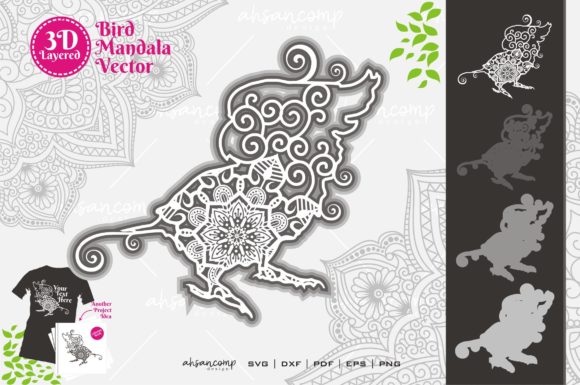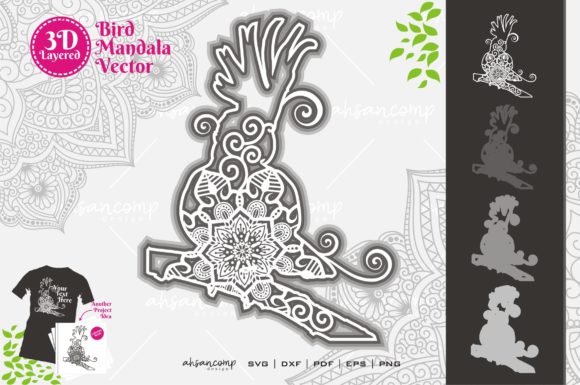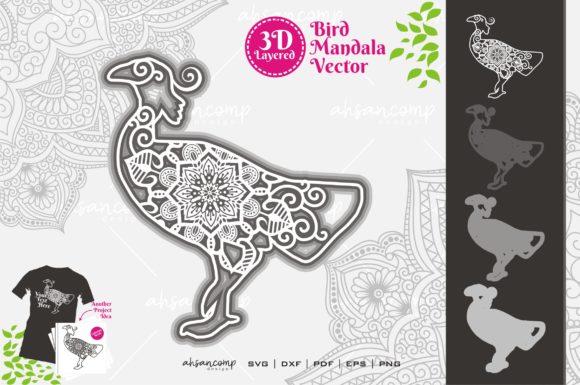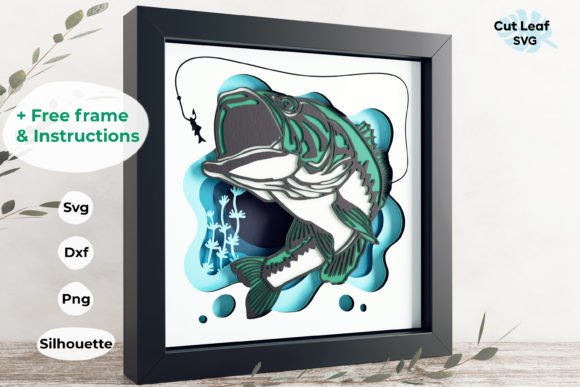
3D Tiger Mandala, Tiger Layered Papercut
In the realm of modern graphic design and digital crafting, few elements capture attention quite like a meticulously crafted 3D Tiger Mandala. This intricate fusion of geometric precision and organic form offers designers and creators a unique opportunity to elevate their visual storytelling. Whether you are working on branding projects, creating social media graphics, or designing custom merchandise, the Tiger Layered Papercut style provides a sophisticated aesthetic that bridges traditional artistry with contemporary digital tools. It is not merely a decorative element; it is a powerful visual asset that commands respect and curiosity, making it an ideal choice for those seeking to make a bold statement in their creative workflow.
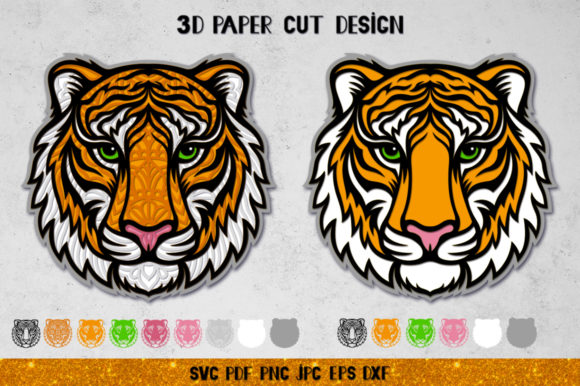
The appeal of this design lies in its depth and complexity. By utilizing multiple layers, the 3D Tiger Mandala Papercut creates a sense of dimensionality that flat designs often lack. This technique allows for a dynamic interplay of light and shadow, enhancing the overall visual hierarchy and drawing the viewer’s eye through the composition. For professionals in UI/UX design, web design, and editorial layouts, incorporating such detailed assets can significantly improve user engagement and add a premium feel to any project. The tiger, a symbol of strength and vitality, combined with the meditative symmetry of a mandala, creates a balanced yet striking image that resonates across various cultural contexts.
Technical Specifications and File Versatility
For designers and crafters, the usability of a file is just as important as its aesthetic quality. This particular collection has been rigorously tested to ensure seamless integration into professional workflows. Designed for compatibility with industry-standard software, the package includes a comprehensive suite of formats tailored for both digital and print applications. The inclusion of vector files ensures scalability without loss of quality, which is crucial for maintaining sharpness across different mediums, from small mobile screens to large-format banners.
The archive is thoughtfully organized to support diverse production methods. Below is a breakdown of the included resources:
- Vector Files: Includes 1.2 DXF files, 2.2 SVG files, and 2 EPS10 files. These are essential for scalable vector graphics (SVG) used in web design, logo design, and cutting machine operations.
- Raster Images: Contains 2 JPG files and 2 PNG files at 300 DPI in RGB color space. The transparent background options are particularly useful for overlaying designs onto various backgrounds in photo editing and social media graphics.
- Print-Ready Files: Features 2 PDF files at 300 DPI with transparent backgrounds, ensuring high-quality output for packaging design and marketing materials.
- Manual Cutting Guides: Includes additional files specifically formatted for hand-cutting, catering to artists who prefer traditional papercut techniques over digital plotters.
The artboard size is set at 3600x3600 pixels, providing ample resolution for high-definition printing. It is important to note that while colors are optimized for screen display, discrepancies may occur depending on monitor calibration and printer settings. Always perform a test print to ensure color accuracy matches your brand identity requirements.
Cutting Performance and Material Compatibility
A critical aspect of using layered papercut designs is ensuring they cut cleanly and assemble correctly. This specific Tiger Layered Papercut design has been validated for performance on popular cutting machines, including the Cricut Explore Air 2. The creator utilized two distinct layer configurations: a nine-layer version for maximum detail and a six-layer version for a streamlined look. Both variations were tested using 200g cardboard, resulting in perfect cuts with no fraying or misalignment issues.
This testing process underscores the importance of material selection in achieving professional results. Thicker cardstocks provide better structural integrity for multi-layered designs, allowing each tier of the mandala to stand out distinctly. For those exploring sublimation or direct-to-garment printing, the layered structure offers a template for creating complex, textured visuals that mimic the depth of physical papercuts. The ability to separate these layers digitally also opens up possibilities for animation and interactive web design, where individual elements can be manipulated independently to create engaging user experiences.
Strategic Applications in Creative Projects
The versatility of the 3D Tiger Mandala makes it suitable for a wide array of creative projects. In branding, it can serve as a distinctive logo mark or a key visual element in a brand identity system, conveying power and elegance. For digital marketing campaigns, the high-resolution images can be used in email newsletters, blog headers, and ad creatives to boost click-through rates through visually compelling content.
Furthermore, the design fits seamlessly into editorial design and presentation decks, adding a touch of sophistication to reports and proposals. Merchandise creators can leverage the layered files to produce unique t-shirts, mugs, and home decor items that stand out in a crowded market. The availability of hand-cutting guides also supports small businesses and artisans who wish to offer handmade, artisanal products alongside their digital offerings.
Ultimately, selecting high-quality, well-tested design assets like the 3D Tiger Mandala Papercut enhances the overall professionalism of your work. By prioritizing clarity, scalability, and visual impact, designers can create communications that not only look beautiful but also effectively convey their intended message. As you integrate these creative assets into your projects, remember that thoughtful design choices—combined with reliable technical execution—are key to building strong connections with your audience.