3D Mandala Flower
The intersection of digital design and physical crafting has created a vibrant ecosystem for artists, hobbyists, and small business owners. Among the most versatile assets in this space are 3D Mandala Flower designs. These intricate vector files offer more than just aesthetic appeal; they provide a structural complexity that allows for depth, texture, and visual interest when translated into physical media. Whether you are looking to create decals for tumblers, custom apparel, or elaborate paper art, understanding the utility and application of these SVGs is crucial for achieving professional results.
Understanding 3D Mandala Flower Designs
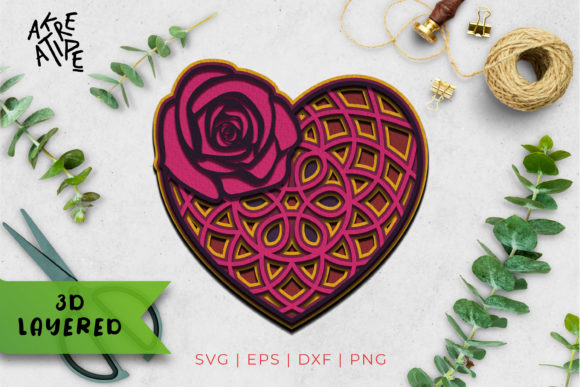
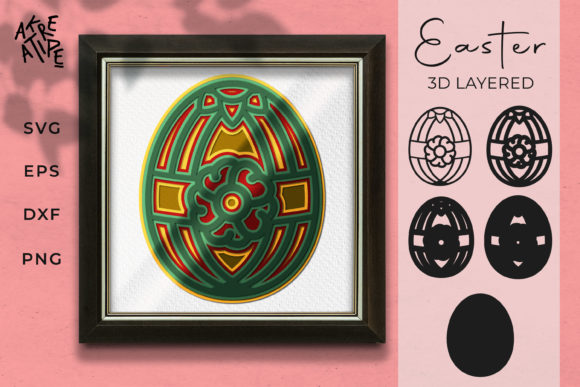
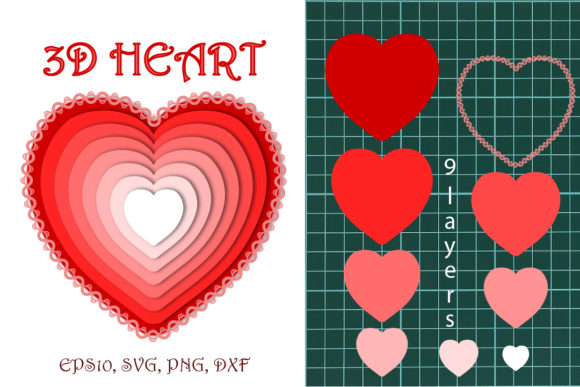
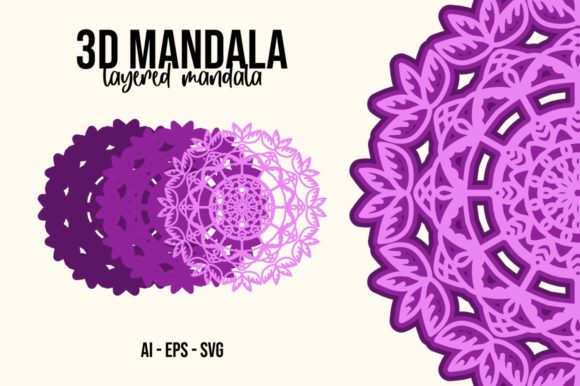
A 3D Mandala Flower is not merely a flat image; it is a vector-based design file engineered to simulate depth through layered geometry. While the final output may be two-dimensional (such as a printed shirt or a wall decal), the internal structure of the file often utilizes overlapping paths, negative space, and strategic line weights to create an optical illusion of three-dimensionality. This "awesome style" relies on high-resolution details that remain crisp regardless of scaling, a critical feature for large-format printing or detailed die-cutting.
These designs are typically distributed in formats compatible with industry-standard software. The inclusion of Adobe Illustrator (.AI), Corel Draw (.CDR), Photoshop (.PSD), Silhouette Studio, Inkscape, and Cricut Design Space support ensures that users across different platforms can access and modify the artwork. The primary formats—AI, SVG, and EPS—are vector-based, meaning they are resolution-independent. This is a significant advantage over raster images like JPEGs or PNGs, which can become pixelated when enlarged or cut at high speeds by cutting machines.
Applications and Use Cases
The versatility of 3D Mandala Flower SVGs makes them suitable for a wide array of creative projects. Below are some of the most common applications where these files excel:
- Crafting and Paper Art: The intricate cut lines allow for stunning paper quilling, scrapbooking, and layered card making. When cut from cardstock, the overlapping layers enhance the 3D effect, creating a tactile experience for the viewer.
- Apparel and Textiles: For t-shirt designers, these mandalas provide complex patterns that look sophisticated rather than cluttered. They work well with heat transfer vinyl (HTV) or direct-to-garment (DTG) printing, especially when color blocking is used to emphasize the geometric shapes.
- Drinkware Decals: Tumblers, mugs, and water bottles benefit from the continuous, flowing nature of mandala designs. Because the files are scalable, a single design can be adapted for a standard coffee mug or a full-wrap tumbler without loss of quality.
- Home Decor and Signs: Large-scale prints for wall art or wooden signs can utilize the high-resolution capabilities of the AI and EPS formats. The "eksklusif" nature of the design adds a premium feel to home decor items, distinguishing them from mass-produced alternatives.
- Bags and Accessories: Tote bags, backpacks, and patches can incorporate these designs using embroidery digitization (derived from the vector paths) or screen printing. The symmetry of the mandala works particularly well on the center-front of bags or the back of shirts.
Evaluating Benefits and Tradeoffs
When considering the use of 3D Mandala Flower SVGs, it is important to weigh the benefits against potential challenges. The primary advantage is the time-saving aspect. Creating such intricate geometric patterns from scratch requires advanced skills in vector illustration and a deep understanding of symmetry. Pre-made SVGs allow creators to focus on execution rather than initial design.
Another significant benefit is the customization potential. Since the files are vector-based, colors can be changed easily within software like Adobe Illustrator or Inkscape. Users can adjust the scale, rotate elements, or combine multiple mandala layers to create unique compositions. This flexibility supports a wide range of branding needs, from minimalist monochrome looks to vibrant, multi-colored statements.
However, there are tradeoffs to consider. Complexity can lead to technical difficulties during the cutting process. For users operating Cricut or Silhouette machines, extremely fine details in a 3D mandala design may require slower cutting speeds and sharper blades to prevent tearing or incomplete cuts, especially when working with thicker materials like chipboard or leather. Additionally, while the digital file is high-resolution, the physical output is limited by the medium. A print on a low-quality printer will not capture the nuance of the vector lines, regardless of the file's quality.
Software Compatibility and Workflow
The availability of multiple file formats is a key selling point for these assets. Here is how the included formats serve different workflows:
- SVG (Scalable Vector Graphics): This is the universal language of cutting machines. It is ideal for Cricut Design Space and Silhouette Studio. If your primary goal is cutting vinyl, wood, or fabric, the SVG file is usually the best starting point.
- AI (Adobe Illustrator) and EPS (Encapsulated PostScript): These formats are preferred for graphic design tasks involving layout, typography integration, or further editing in professional design suites. They preserve layer structures and editable text, making them essential for designers who need to manipulate the file before exporting to a cutting format.
- PSD (Photoshop): Useful for adding textures, shadows, or blending modes to create mockups or digital presentations. While less common for direct cutting, PSD files help visualize the final product in a realistic context.
Decision-Making Insights
Choosing whether to invest in 3D Mandala Flower SVGs depends on your specific goals. If you are a beginner in crafting, start with simpler designs to understand how your machine handles intricate cuts. As you gain proficiency, the complexity of 3D mandalas offers a rewarding challenge that elevates the perceived value of your finished products.
For commercial sellers, the key consideration is uniqueness. The market is saturated with generic floral designs. However, a well-executed 3D mandala with distinct layering and color choices can stand out. Ensure that the license terms of the purchased SVGs allow for commercial use if you plan to sell physical items made from the design.
Alternatives to consider include traditional 2D mandalas if you find the 3D versions too difficult to cut or print. Alternatively, if you lack access to vector editing software, you might opt for pre-rasterized PNG files with transparent backgrounds, though this sacrifices the scalability and editability of vectors.
Conclusion
The 3D Mandala Flower represents a fusion of artistic intricacy and digital convenience. By supporting multiple formats including AI, SVG, and EPS, these files cater to a broad spectrum of creators, from casual crafters to professional designers. While they require careful handling during production to maintain their detailed integrity, the resulting products—whether decals, apparel, or paper art—offer a high-end, exclusive aesthetic. Evaluating your technical skills, available equipment, and target audience will help determine if these versatile designs align with your creative and business objectives.