3D Heart: The Ultimate Digital Asset for Crafters and Designers
In the evolving landscape of digital crafting and graphic design, having access to high-quality, versatile assets is no longer a luxury—it is a necessity. Among the myriad of digital files available, the 3D Heart stands out as a particularly robust and adaptable resource. Whether you are a hobbyist looking to add a personal touch to homemade gifts or a professional designer seeking precision for commercial projects, understanding the capabilities of this specific digital product can significantly enhance your workflow.
This article explores the comprehensive features of the 3D Heart file pack, detailing its technical specifications, software compatibility, and practical applications. By examining what makes this asset valuable, we aim to help creators make informed decisions about how to integrate it into their creative processes.
Understanding the 3D Heart Digital Package
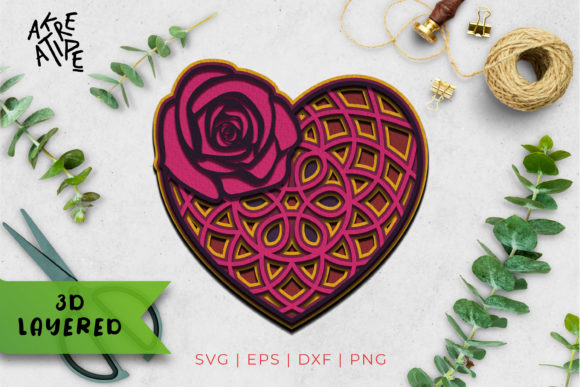
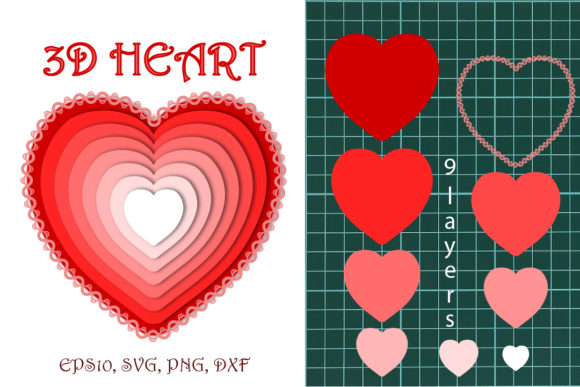
The term "digital cut file" often brings to mind simple silhouettes, but the 3D Heart package offers a much more sophisticated solution. It is designed not just as a single image, but as a layered composition that allows for depth, dimension, and customization. This level of detail is crucial for modern crafting trends where texture and layering are key to creating visually striking results.
The core value of this product lies in its multi-format approach. Rather than providing a single file type that limits usage, the package includes a diverse range of formats tailored to different software environments. This ensures that whether you are using industry-standard design tools or popular cutting machine software, the 3D Heart remains accessible and functional. The inclusion of separate layers for each component of the heart design is particularly noteworthy, as it grants users the flexibility to color-code, resize, or manipulate individual elements independently.
Technical Specifications and File Contents
To fully appreciate the utility of the 3D Heart, it is important to break down exactly what is contained within the ZIP folder. The package is meticulously organized to support both print-based and cut-file workflows. Here is a detailed look at the components:
- 10 SVG Files (Scalable Vector Graphics): These files are the backbone of the package for cutting machines. Each layer of the heart is provided in a separate SVG file, allowing for precise control during the cutting process. Additionally, there is a version with all layers merged, which is useful for quick placements or when layer separation is not required. SVGs are ideal because they are resolution-independent, meaning they can be scaled to any size without losing quality.
- 11 PNG Files (Portable Network Graphics): For those who need ready-to-use images for printing or digital use, the package includes high-resolution PNGs. These files feature a transparent background, ensuring they blend seamlessly into any design. With a resolution of 4000x4000 pixels, these images are crisp enough for large-format printing. The set includes versions of the heart with and without shadows, giving designers options for different aesthetic preferences.
- 1 DXF File: This format is essential for users working with CAD (Computer-Aided Design) and Autodesk applications. It allows for integration into engineering or architectural contexts where vector precision is paramount.
- 1 EPS 10 File: Designed for Adobe Illustrator, this file places each layer on a separate artboard. This structure streamlines the editing process for graphic designers who prefer working within the Adobe ecosystem.
Software Compatibility and Workflow Integration
One of the most significant barriers to entry in digital crafting is software incompatibility. Fortunately, the 3D Heart package is built to bridge this gap. It is compatible with a wide array of popular software platforms, ensuring that users do not need to invest in expensive, niche programs to utilize the files effectively.
For Cutting Machine Users
If your primary goal is to create physical products using a vinyl cutter or laser engraver, the 3D Heart SVG files are perfectly optimized for this purpose. They work seamlessly with:
- Cricut Design Space: The standard platform for Cricut users, allowing for easy uploading, resizing, and "weeding" preparation.
- Silhouette Studio: A favorite among Silhouette owners, offering robust editing tools for complex layering projects.
The separation of layers in the SVG files means you can assign different colors to each layer before sending the job to the machine. This is critical for creating the "3D" effect, where multiple layers of colored vinyl or cardstock are stacked to create depth.
For Graphic Designers and Print Professionals
For those focusing on digital prints, merchandise, or branding, the PNG and EPS files provide the necessary fidelity. Adobe Illustrator and Corel Draw users will find the EPS 10 file particularly useful due to its organized artboards. Inkscape, a free and open-source alternative, also supports the SVG and DXF formats, making this package accessible even to those on a budget.
Practical Applications and Use Cases
The versatility of the 3D Heart allows it to be applied across various industries and personal projects. Below are some real-world scenarios where this asset shines.
Home Decor and Seasonal Crafts
Valentine’s Day is the most obvious occasion, but the 3D Heart is not limited to romance. Its geometric, layered nature makes it suitable for modern home decor. Imagine a large-scale 3D heart made from layered wood or foam board mounted on a living room wall. Or, consider using smaller vinyl hearts to decorate glass jars, picture frames, or nursery walls. The ability to change colors via the separate layers means you can adapt the design for weddings, anniversaries, or even baby showers by choosing appropriate color palettes.
Apparel and Accessories
Small business owners selling custom t-shirts, hoodies, or tote bags can leverage the PNG files for direct-to-garment (DTG) printing or sublimation. The high resolution ensures that the details remain sharp even after washing. Alternatively, vinyl cutters can produce durable decals for water bottles, laptop skins, or car windows. The shadow-less version of the PNG is particularly effective for flat-design aesthetics, while the shadowed version adds a pop of realism.
Digital Products and Social Media
In the digital realm, the 3D Heart can serve as a logo element, a social media post graphic, or an icon for a website. The transparent background of the PNG files allows designers to overlay the heart onto photos, videos, or other graphics without dealing with messy white boxes. Entrepreneurs selling digital planners or printable art can include this asset in their bundles, adding value for their customers.
Evaluating Suitability and Considerations
While the 3D Heart package is highly versatile, it is important to have realistic expectations regarding its use. Understanding its strengths and limitations will help you get the best results.
Strengths
- Versatility: The combination of SVG, PNG, DXF, and EPS formats covers almost every digital crafting need.
- Layer Separation: Having each layer in a separate file is a major advantage for creating true 3D effects and customizing colors.
- High Resolution: The 4000x4000 px PNGs ensure professional-grade output for large prints.
Considerations
- Complexity: Because the design consists of multiple layers, beginners may find the initial setup slightly more complex than using a single-layer silhouette. However, the included merged SVG simplifies this for those who prefer a quicker workflow.
- Software Proficiency: While the files are compatible with many programs, achieving the best results in Illustrator or Corel Draw may require a basic understanding of vector editing. For cutting machine users, familiarity with layer management in Design Space or Studio is helpful.
- Material Selection: The visual impact of a 3D heart depends heavily on the materials used. Thin vinyl may not hold its shape well if cut too intricately, so thicker materials like chipboard or foam are often recommended for structural 3D projects.
Conclusion
The 3D Heart digital package represents a thoughtful and comprehensive solution for anyone involved in digital crafting or design. By providing a wide array of formats and separating layers for maximum customization, it empowers users to bring their creative visions to life with precision and flair. Whether you are producing handmade goods for a boutique, designing marketing materials for a brand, or simply exploring new hobbies at home, this asset offers the flexibility and quality needed to succeed.
As with any digital tool, the key to success lies in understanding how to utilize its features. Take the time to experiment with the different layers, test your settings on scrap material, and explore the various color combinations available to you. With the right approach, the 3D Heart can become a staple in your creative toolkit, delivering consistent, high-quality results across a multitude of projects.
If you have specific questions about integrating these files into your workflow or need guidance on material choices, reaching out to the creator, Svetlana, is always a good step. Engaging with the community and seeking expert advice can further enhance your experience and help you unlock the full potential of this dynamic digital asset.