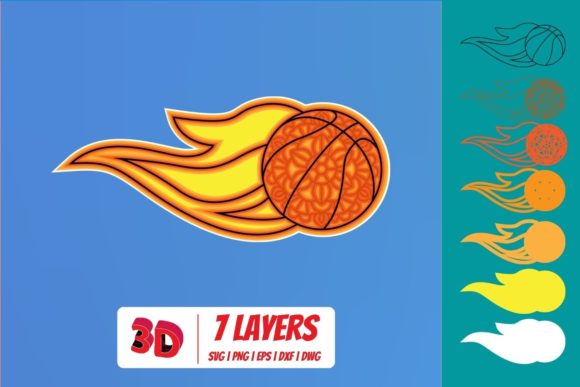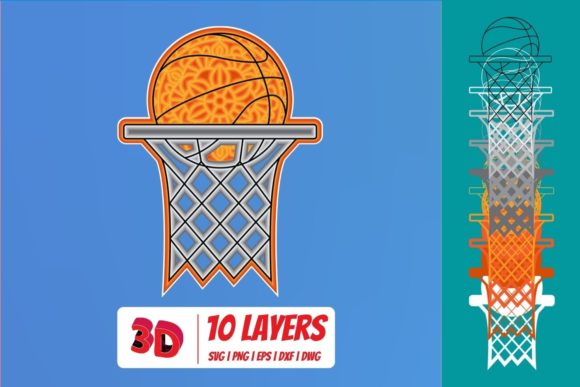
Basketball 2 3D Layered SVG Cut File
Creating high-impact visual projects often requires more than just a simple silhouette. When you are designing for sports-themed events, school spirit days, or custom athletic merchandise, depth and dimension make all the difference. The Basketball 2 3D Layered SVG Cut File is designed to bridge that gap, offering creators a sophisticated tool that transforms flat materials into layered, dimensional art. Whether you are a seasoned pro with a Cricut Maker or a hobbyist just starting out with basic vinyl cutting tools, this file provides the versatility needed to produce professional-grade results.
This digital asset is not merely an image; it is a structured blueprint for design. By utilizing multiple layers, the file allows you to build a basketball graphic that pops off the surface of t-shirts, tote bags, wall decals, or wooden signs. The complexity lies in its organization. Each layer is separated logically, ensuring that when you export and cut your materials, the pieces align perfectly to create a cohesive three-dimensional effect. This level of detail elevates standard sports decor into something that feels curated and intentional.
Understanding the Format Versatility
One of the most significant advantages of this download is its comprehensive format support. Digital crafting files can be frustrating if they only work with one specific machine or software suite. However, this package includes SVG, DXF, PNG, and EPS formats within a single zipped folder, ensuring compatibility across a wide spectrum of devices and programs. This flexibility means you do not need to worry about proprietary locks or expensive upgrades to use the design effectively.
- SVG (Scalable Vector Graphics): This is the gold standard for modern cutting machines. The SVG version is fully compatible with Cricut Design Space, Silhouette Designer Edition, Make the Cut (MTC), Sure Cuts A Lot (SCAL), and Brother’s Scan and Cut “Canvas” software. These formats preserve the vector data, allowing you to resize the basketball graphic from a small button pin to a large banner without losing quality or jagged edges.
- DXF (Drawing Exchange Format): For those using entry-level software like Silhouette Basic Edition, the DXF file is essential. It strips away some of the complex layering instructions found in SVGs but retains the core vector paths needed for precise cutting. It is a reliable fallback that ensures your project can proceed even if your software has limited functionality.
- EPS (Encapsulated PostScript): If you are a graphic designer working in professional environments, the EPS file is crucial. It integrates seamlessly with industry-standard applications such as CorelDRAW, Inkscape, and Adobe Illustrator. This allows for advanced editing, color manipulation, and integration into larger marketing materials or brand identities before sending the final design to a cutter.
- PNG (Portable Network Graphics): Included for reference and non-cutting uses, the PNG file features a transparent background at 300 DPI. This high resolution makes it suitable for printing on photo paper, creating digital mockups, or using as a sticker in digital planning apps. While you cannot send a PNG directly to a cutting machine for intricate layering, it serves as a perfect visual guide to see how the final assembled piece should look.
Creative Applications and Project Ideas
The true value of the Basketball 2 3D Layered SVG Cut File emerges when you apply it to real-world projects. Because the design relies on layering, it encourages creativity in material selection. You are not limited to standard adhesive vinyl. Consider mixing textures and finishes to enhance the 3D effect.
For apparel enthusiasts, try using heat transfer vinyl (HTV) on cotton blends. Start with the largest background layer in a dark navy or black, then stack the mid-tones in grey, and finish with the highlights in bright orange or white. This creates a subtle tonal contrast that looks sleek on jerseys or hoodies. Alternatively, use metallic HTV for the outer rim of the basketball to give it a premium, trophy-like appearance.
Home decor offers another rich avenue for application. Create a focal point for a home office or a child’s bedroom by cutting the layers from foam board or chipboard. Paint each layer a different shade of brown and orange, let them dry, and adhere them together with strong craft glue. Mount the finished 3D basketball on a plywood backing with a few spacers to cast a shadow, adding physical depth to the artwork. This technique works exceptionally well for man caves, game rooms, or sports-themed nurseries.
Small business owners and entrepreneurs can leverage this design for product differentiation. Imagine selling custom gym bags where the basketball graphic is layered onto canvas or leather. The tactile nature of the layered cut adds perceived value to the product, justifying a higher price point. Similarly, educators can use these files to create classroom decorations. A 3D basketball display in a physical education teacher’s room or a school hallway can serve as an engaging centerpiece that celebrates school spirit.
Technical Tips for Success
To achieve the best results with any layered SVG file, preparation is key. Before loading your file into your cutting software, take time to inspect the layers. In programs like Cricut Design Space or Silhouette Studio, you will see multiple shapes grouped together. Ungroup them carefully to ensure each part of the basketball—whether it is the seam lines, the panels, or the shading—is on its own distinct layer.
When setting up your cuts, pay close attention to the "weeding" process. Weeding involves removing the excess material from around your design. With layered designs, weeding must be done meticulously. If you accidentally remove a small internal detail meant to be a separate layer, the entire 3D illusion will collapse. Use a sharp weeding tool and work slowly. Many designers find it helpful to weed each layer immediately after cutting, rather than waiting until all layers are cut, to prevent confusion.
Alignment is another critical factor. When assembling the layers, especially if you are gluing them onto a substrate like wood or foam, use registration marks or light guidelines. Even a millimeter of misalignment can throw off the balance of the design. If you are applying the design to fabric using HTV, consider using a Teflon sheet or parchment paper between layers to prevent heat bleed-through, which can cause colors to muddy and reduce the crispness of the edges.
Why Choose This Specific Design?
The market is flooded with basketball clipart, but few offer the structural integrity required for true 3D effects. The Basketball 2 3D Layered SVG Cut File stands out because it is optimized for cutting. The curves are smooth, the angles are precise, and the layer separation is logical. It respects the limitations of cutting machines while maximizing the visual potential of the medium.
Furthermore, the inclusion of multiple formats future-proofs your purchase. Software updates happen, and hardware changes over time. Having access to SVG, DXF, EPS, and PNG ensures that no matter what tools you acquire in the future, you can still utilize this design. It is an investment in your creative toolkit, providing endless possibilities for customization and personalization.
Whether you are looking to add a touch of sporty flair to your home, create a unique gift for a coach or athlete, or expand your small business’s product line, this file offers a practical, high-quality solution. It empowers you to move beyond flat, two-dimensional constraints and embrace the richness of layered design. Start experimenting with colors, textures, and scales today, and discover how a simple basketball graphic can become a stunning centerpiece of your next project.