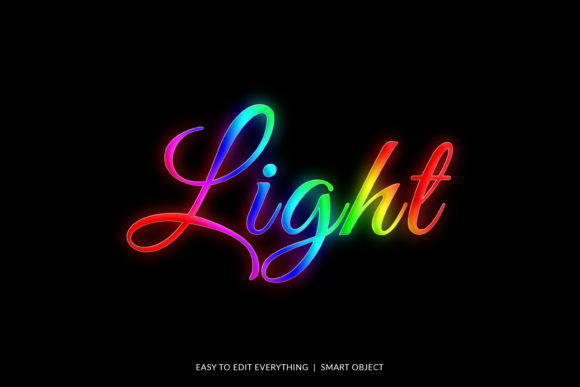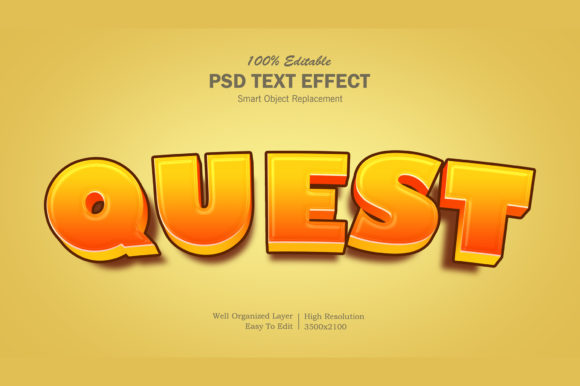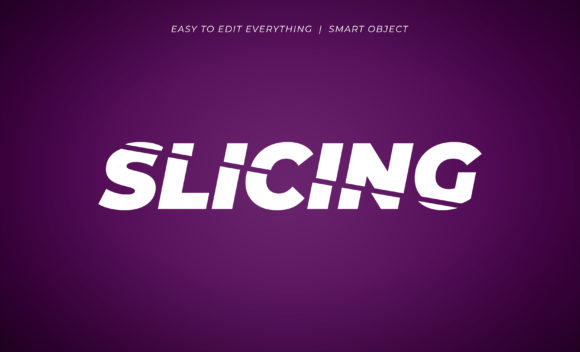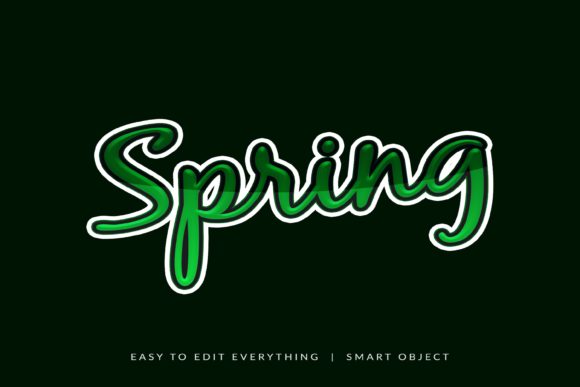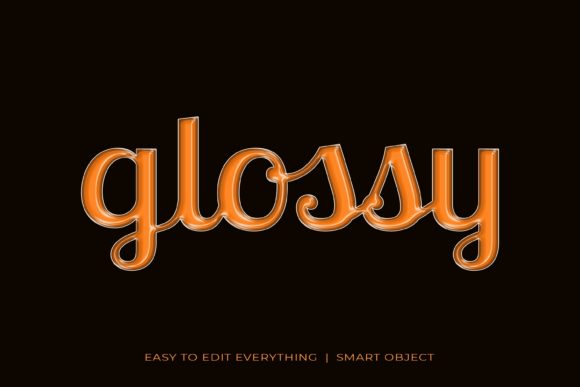
Mastering the Glossy 3D Style Text Effect for High-Impact Visual Communication
In the rapidly evolving landscape of digital and print design, text is no longer merely a vessel for information; it is a primary visual element capable of commanding attention, conveying mood, and establishing brand identity. Among the myriad techniques available to designers, the Glossy 3D Style Text Effect stands out as a powerful method for transforming ordinary typography into striking, tactile masterpieces. This technique mimics the physical properties of light reflecting off polished surfaces, creating depth, volume, and a sense of realism that flat designs often lack. Whether you are a seasoned graphic designer crafting a corporate rebrand or a hobbyist looking to create unique greeting cards, understanding how to leverage this aesthetic can significantly elevate your creative output.
The Anatomy of Depth: Why Glossy 3D Matters
The appeal of the Glossy 3D Style Text Effect lies in its ability to bridge the gap between two-dimensional screens and three-dimensional reality. By simulating highlights, shadows, gradients, and reflections, designers can make text appear as if it is floating above the canvas or carved from solid materials like glass, metal, or plastic. This visual weight adds a layer of sophistication and professionalism to any project. For businesses, this translates to a perception of quality and attention to detail. For personal projects, it offers a way to express creativity with flair.
Unlike simple drop shadows or basic embossing, a true glossy effect requires careful manipulation of light sources. The interplay between the bright specular highlights and the deep, rich shadows creates a convincing illusion of volume. This is particularly effective in headlines, logos, and key messaging where the goal is to arrest the viewer’s gaze instantly. The result is not just readable text, but an object of desire that invites closer inspection.
Versatility Across Media and Applications
One of the most compelling aspects of the Glossy 3D Style Text Effect is its adaptability across various mediums. While it originated in digital graphic design, its principles have been seamlessly integrated into physical production methods. Below are several key areas where this style excels:
- Corporate Branding and Logos: A glossy finish on a company logo suggests modernity and polish. It works exceptionally well for tech companies, automotive brands, and luxury goods where sleekness is a core value proposition.
- Event Invitations and Greeting Cards: In the realm of stationery, the glossy effect adds a touch of elegance and celebration. It transforms simple invitations into keepsakes, making them feel premium and special.
- Web Design and UI Elements: On websites, glossy buttons and headers can guide user interaction. They provide clear visual cues for clickable elements, enhancing usability while maintaining aesthetic appeal.
- Print Materials and Posters: When translated to high-resolution prints, the glossy effect can be replicated using specialized inks or laminates. This is ideal for posters, billboards, and promotional flyers that need to stand out in crowded environments.
- Textile and Product Design: From t-shirt graphics to packaging decals, the versatility of this style allows it to be applied to diverse substrates. Digital printing technologies now allow for the realistic simulation of glossy textures on fabric and paper.
Technical Specifications and File Formats
To fully utilize the potential of a Glossy 3D Style Text Effect, access to high-quality source files is crucial. Professional designers typically work with layered PSD (Photoshop) files, which allow for extensive customization. These files are structured to enable easy editing of colors, fonts, and lighting angles without compromising the integrity of the effect.
Key specifications to look for include:
- High Resolution: Files should be provided at 300 PPI (Pixels Per Inch) for print-ready applications and 72 PPI for web use. This ensures clarity whether the final output is a large-format banner or a small mobile screen.
- Layered Structure: A well-organized PSD file separates the base text, the shadow layers, the highlight layers, and the background. This modularity allows users to tweak individual components to suit their specific needs.
- Multiple Formats: In addition to the editable PSD, users should receive JPG files for quick previewing and ZIP archives for secure, organized delivery. This multi-format approach caters to both technical experts and casual users.
- Color Customizability: The best templates offer easy-to-edit color swatches. This means you can change the hue of the text from vibrant reds to subtle pastels with a single click, ensuring the design fits any brand palette.
Customization Strategies for Unique Results
While pre-made templates provide a strong foundation, the true power of the Glossy 3D Style Text Effect is unlocked through customization. Here are some strategies to make your designs stand out:
Experiment with Lighting Angles
The direction of the light source dramatically affects the mood of the text. A top-left light source is standard and natural, but moving the light to the bottom or side can create dramatic, artistic effects. Try adjusting the position of the highlight layer to see how it changes the perceived texture of the material.
Play with Material Textures
While "glossy" often implies smooth glass or plastic, you can introduce subtle noise or grain overlays to simulate brushed metal, wet surfaces, or even crystalline structures. Adding a slight texture can prevent the design from looking too sterile or artificial.
Combine with Backgrounds
The effectiveness of the glossy text is heavily dependent on the background. Dark backgrounds tend to make glossy highlights pop more intensely, while light backgrounds require softer shadows to maintain contrast. Experiment with gradient backgrounds or blurred photographic elements to create depth behind the text.
Considerations for Print vs. Digital
When implementing the Glossy 3D Style Text Effect, it is important to consider the end medium. Digital displays can render subtle gradients and alpha transparency easily, allowing for highly nuanced glossy effects. However, when preparing for print, certain limitations arise.
For print, ensure that your file is in CMYK color mode rather than RGB to avoid color shifts during printing. Additionally, while digital gloss is achieved through pixels, physical gloss is achieved through ink or coating. If you are designing for offset printing, you may need to specify a spot varnish or aqueous coating to physically replicate the glossy look. For digital printing, high-gloss papers can enhance the visual impact of the printed image.
Trends in Modern Typography
The trend toward tactile, 3D typography shows no signs of slowing down. As users spend more time interacting with digital interfaces, there is a growing desire for "skeuomorphic" elements that mimic real-world objects. The Glossy 3D Style Text Effect taps into this psychological preference, providing a sense of familiarity and comfort amidst the abstract nature of digital content.
Furthermore, the rise of augmented reality (AR) and virtual reality (VR) presents new opportunities for 3D text. Designs created with depth and volume in mind are better suited for these immersive environments, where text needs to exist within a spatial context. Investing time in mastering these effects now prepares creators for future technological shifts.
Conclusion
The Glossy 3D Style Text Effect is more than just a decorative flourish; it is a fundamental tool in the modern designer’s arsenal. By combining technical precision with artistic vision, it allows for the creation of text that is both beautiful and functional. Whether used in a high-stakes corporate presentation or a heartfelt personal invitation, this style adds a dimension of quality and care that resonates with audiences. With the availability of high-quality, customizable PSD files, creators of all skill levels can harness this power to produce stunning visual communications that leave a lasting impression.