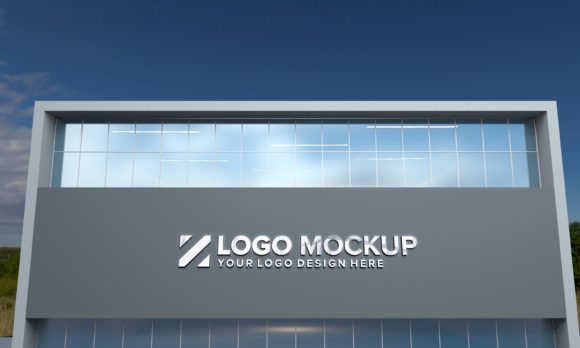
Steel Logo Mockup 3D Sign Façade Bulding
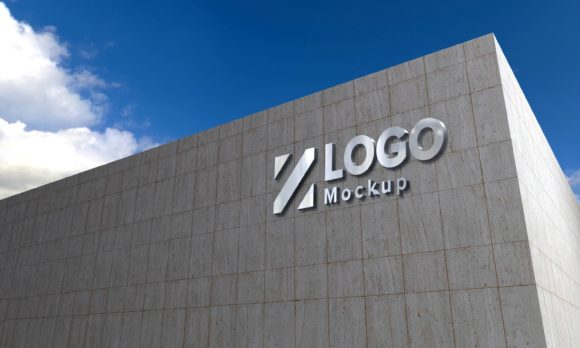
In the competitive world of branding and architectural visualization, presenting a logo on a building façade is more than just placing an image; it is about conveying scale, material quality, and environmental context. For designers, agencies, and marketing professionals, the gap between a flat digital file and a photorealistic presentation can often determine the success of a pitch or the clarity of a brand identity. This is where high-fidelity tools become essential. The Steel Logo Mockup 3D Sign Façade Bulding serves as a powerful solution for visualizing how corporate identities interact with modern architectural structures.
This specific mockup resource addresses a common challenge in design workflows: the need for realistic, versatile, and easily customizable presentations that reflect contemporary aesthetics. By utilizing this tool, users can transition from abstract concepts to tangible, believable representations of their brands mounted on sophisticated steel structures against modern backdrops.
Understanding the Visual Impact of Steel and Modern Architecture
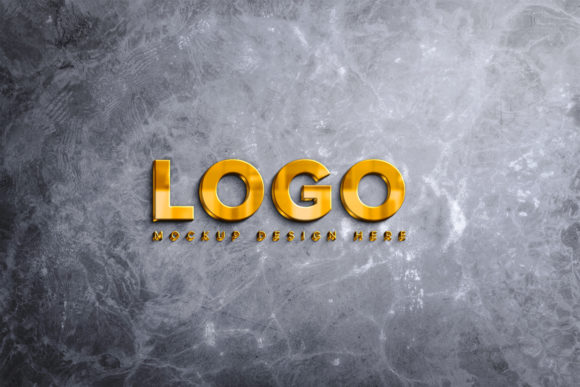
Modern architecture often favors clean lines, industrial materials, and minimalist aesthetics. Steel, with its reflective properties and structural integrity, complements these styles perfectly. When a logo is rendered in steel—whether embossed, silver, gold, or 3D—it interacts with light and shadow in ways that flat graphics cannot replicate. The Steel Logo Mockup 3D Sign Façade Bulding captures these nuances by providing a realistic setting that mimics real-world lighting conditions.
The primary goal of using such a mockup is to bridge the gap between imagination and reality. Clients often struggle to visualize how a two-dimensional logo will look when scaled up to the size of a building exterior. Will the gold leaf effect hold up under sunlight? Does the embossed texture provide enough depth to be legible from a distance? This mockup answers those questions by offering various perspectives and styles, allowing designers to test different interpretations of their client’s brand before any physical fabrication begins.
Key Features That Streamline the Design Process
Efficiency is crucial in professional design environments. The Steel Logo Mockup 3D Sign Façade Bulding is engineered to reduce the time spent on technical rendering while maximizing visual impact. Its features are designed to support a smooth workflow, ensuring that even complex 3D effects can be applied with minimal effort.
- Smart Object Technology: One of the most significant advantages of this mockup is its compatibility with Adobe Photoshop Smart Objects. Users can easily change and place their own designs with just a few clicks. There is no need to manually mask, warp, or adjust perspective angles. Simply double-click the designated layer, paste your logo, save, and the software automatically applies the correct lighting, shadows, and curvature.
- V-Ray Rendered Quality: The underlying imagery is top-quality and V-Ray rendered. This ensures that the reflections, ambient occlusion, and material textures (such as brushed steel or polished metal) are physically accurate. This level of detail is critical for convincing clients who expect premium results.
- High Resolution and Layering: With dimensions of 5000 x 3000 pixels at 72 DPI, the images are crisp and detailed. Furthermore, the PSD files are fully layered and organized, making it easy for advanced users to tweak individual elements like background blurring, shadow intensity, or surface imperfections if needed.
- Minimal Software Requirements: Compatible with Photoshop CS6 and later versions, this resource is accessible to a wide range of professionals without requiring expensive additional plugins or render engines.
Practical Applications and Use Cases
The versatility of the Steel Logo Mockup 3D Sign Façade Bulding allows it to be applied across various sectors. Here are some practical scenarios where this tool proves invaluable:
Corporate Branding Presentations
When pitching a rebranding strategy to a corporation, showing the new logo installed on a sleek, modern office building adds weight to the proposal. It demonstrates foresight and attention to detail. The ability to switch between silver, gold, and 3D effects allows the designer to present multiple options within the same meeting, helping the client visualize different brand personalities—from understated elegance (silver) to luxury and prestige (gold).
Architectural Visualization
Architects and interior designers often need to showcase signage solutions as part of their broader building designs. This mockup provides a realistic backdrop that integrates seamlessly with modern building aesthetics. It helps architects communicate how branding elements will coexist with the structural facade, ensuring harmony between art and architecture.
Marketing and Advertising Campaigns
For advertising agencies creating print or digital campaigns, realistic mockups are more engaging than simple flat layouts. A photo-realistic image of a logo on a steel façade captures attention and conveys stability and permanence. This is particularly effective for industries like finance, technology, and real estate, where trust and solidity are key brand attributes.
Addressing Common Challenges in Logo Presentation
Designers frequently face the challenge of "flatness" when presenting logos. A PNG file on a white background looks incomplete and lacks context. Conversely, creating custom 3D renders from scratch is time-consuming and requires specialized skills in software like Blender or Cinema 4D. The Steel Logo Mockup 3D Sign Façade Bulding mitigates these issues by offering a middle ground: professional-grade realism without the steep learning curve or time investment of full 3D modeling.
Another common issue is consistency. When presenting multiple variations to a client, maintaining consistent lighting and perspective is difficult. Because this mockup uses a pre-rendered, realistic background with fixed lighting conditions, every logo placed into the Smart Object inherits the same environmental cues. This ensures that comparisons between different colorways or materials are fair and visually coherent.
Implementation Tips for Best Results
To get the most out of the Steel Logo Mockup 3D Sign Façade Bulding, consider the following recommendations:
- Vector Formats: Always use vector-based logos (AI, EPS, or SVG) converted to high-resolution PNGs with transparent backgrounds before inserting them into the Smart Object. This ensures sharp edges and prevents pixelation, especially important for large-scale signage.
- Contrast Check: Pay attention to the contrast between your logo colors and the steel finish. For example, a dark navy logo might get lost on a blackened steel background, whereas it would pop on a silver finish. Use the mockup’s variety to test these combinations.
- Review the Help File: The package includes a help file and instruction guide. Taking a moment to review this can reveal shortcuts or advanced techniques for manipulating layers, such as adjusting the reflection intensity or changing the time of day in the background.
- Contextual Scaling: Ensure your logo maintains appropriate proportions relative to the building structure. An overly large logo can look unrealistic, while one that is too small may fail to convey presence. The 5000 x 3000 pixel resolution gives you ample space to fine-tune these details.
Conclusion
The Steel Logo Mockup 3D Sign Façade Bulding is more than just a template; it is a strategic asset for anyone involved in brand identity and architectural design. By combining realistic 3D rendering with user-friendly Smart Object functionality, it empowers designers to create compelling, professional presentations that resonate with clients. Whether you are showcasing a new corporate identity, planning an architectural project, or developing a marketing campaign, this mockup provides the visual fidelity needed to bring your ideas to life. In a market where first impressions matter, having the right tools to present your work effectively can make all the difference.