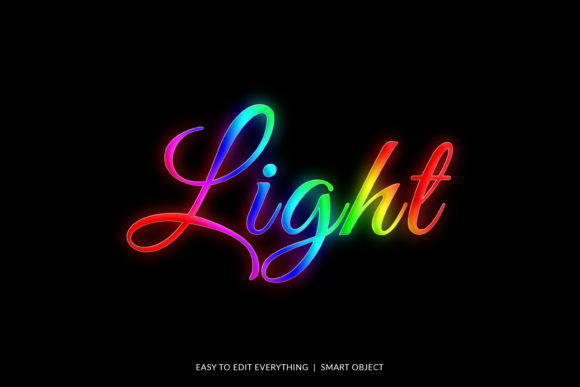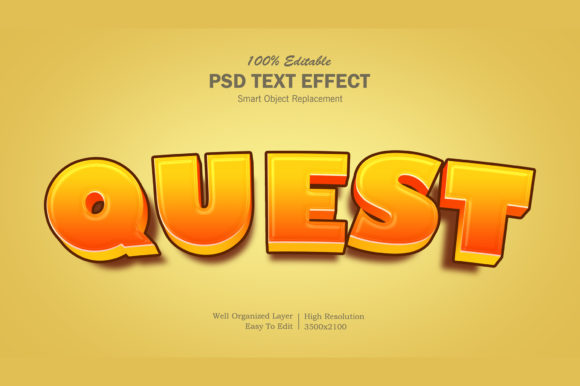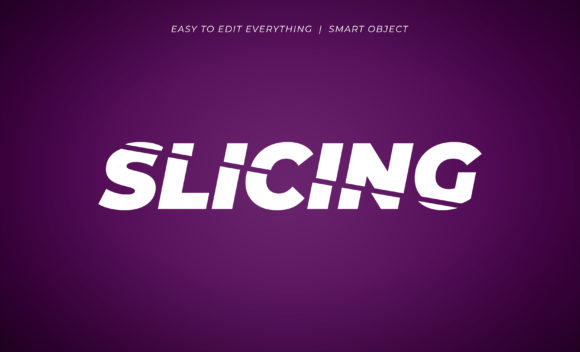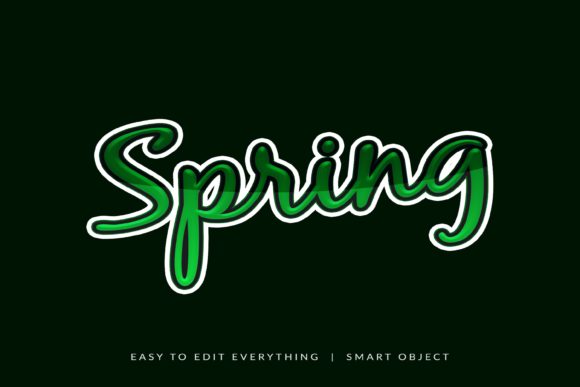
Laser 3d Light Ray Style Text Effect
In the landscape of digital graphic design, typography is rarely just about conveying information; it is about creating an atmosphere. Among the various stylistic trends that have emerged in recent years, the Laser 3d Light Ray Style Text Effect has gained significant traction for its ability to merge futuristic aesthetics with high-impact visual clarity. This specific text effect utilizes volumetric lighting, sharp geometric shadows, and vibrant color gradients to simulate beams of light emanating from or intersecting with three-dimensional letterforms. For designers, marketers, and hobbyists alike, understanding the utility, technical specifications, and appropriate applications of this style is crucial for making informed creative decisions.
Understanding the Aesthetic and Technical Composition
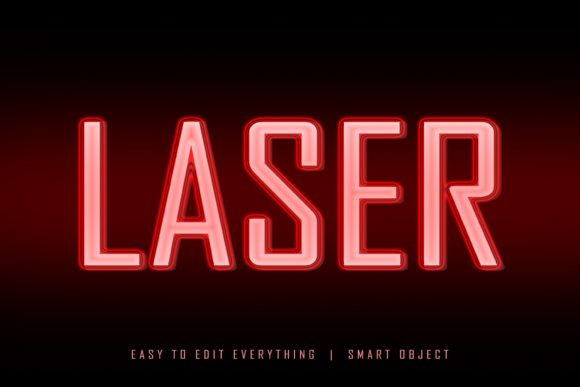
The core appeal of a laser 3D text effect lies in its simulation of depth and energy. Unlike flat vector text or standard drop-shadowed typography, this style employs advanced layering techniques within raster-based editing software, typically Adobe Photoshop. The "laser" component refers to the intense, often neon-colored streaks of light that appear to cut through space, while the "3D" aspect provides the substance and weight of the letters. When combined, these elements create a sense of motion and intensity that captures immediate attention.
From a technical standpoint, achieving this look involves manipulating multiple layers of gradients, glow effects, and mask overlays. The result is a high-fidelity image that mimics the behavior of real-world light sources. However, because this is often delivered as a pre-made template or asset rather than a custom-built scene, users benefit from a standardized workflow that ensures consistency across different projects without requiring extensive manual rendering time.
Key Features and Specifications
When evaluating assets for the Laser 3d Light Ray Style Text Effect, several technical specifications define their usability and quality. Professional-grade templates are designed to be both visually striking and practically editable. Below are the common features found in high-quality implementations of this style:
- High-Quality Resolution: Premium files are typically provided at 300 PPI (Pixels Per Inch) for print-ready applications and 72 PPI for web use. This dual-resolution support ensures that the text remains crisp whether it is being printed on a large poster or displayed on a mobile screen.
- Editable PSD Format: The primary file format is usually a layered Photoshop Document (.PSD). This allows users to change the text content, adjust colors, modify the intensity of the light rays, and swap out background images without compromising the integrity of the design.
- Versatile File Support: In addition to source files, these assets often include JPG exports for quick previewing or direct insertion into non-layered workflows, and ZIP archives for easy distribution and storage.
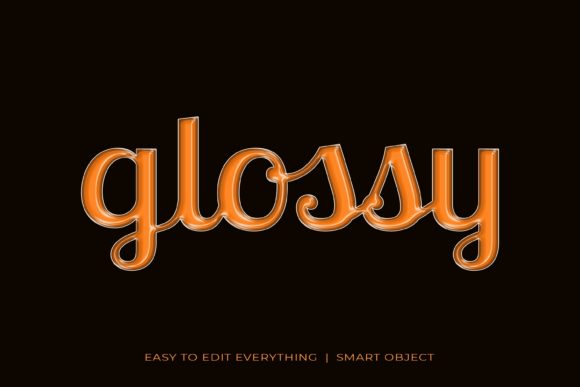
- Customizable Color Palettes: A defining characteristic of this style is its adaptability. Users can shift from cool blues and purples for a cyberpunk aesthetic to warm reds and oranges for a more aggressive, energetic look.
Practical Applications Across Industries
The versatility of the Laser 3D Light Ray Style Text Effect makes it suitable for a wide array of use cases. Its impact-driven nature means it is best utilized where immediate visual engagement is required. Below are specific scenarios where this effect adds value.
Corporate and Branding Projects
For corporate entities, particularly those in technology, gaming, entertainment, or automotive sectors, this text style serves as an effective tool for headlines and titles. It conveys innovation, precision, and modernity. Using this effect in press releases, event banners, or product launch announcements can help a brand stand out in a crowded media landscape. It is also highly effective for monogram designs, adding a premium, high-tech feel to logos and stationery.
Event Decoration and Physical Media
While primarily a digital asset, the high-resolution nature of these files (300 PPI) makes them ideal for physical production. They can be used to create decals, stickers, and posters for concerts, trade shows, or private parties. The "light ray" aesthetic translates well to vinyl printing and acrylic signage, where the contrast between the bright text and dark backgrounds creates a striking physical presence. Furthermore, invitations and greeting cards can leverage this style to set a tone of excitement and celebration, moving beyond traditional serif or sans-serif fonts.
Digital Content and Web Design
In the realm of web design, the 72 PPI versions of these effects are perfect for hero images, social media headers, and email marketing campaigns. The eye-catching color schemes naturally draw the user’s eye to key calls-to-action or headline text. Additionally, because the files are easily customizable, content creators can quickly adapt the text for news updates, blog post headings, or YouTube video thumbnails, ensuring that the visual branding remains consistent across platforms.
Evaluating Tradeoffs and Considerations
While the Laser 3d Light Ray Style Text Effect offers numerous advantages, it is important to approach its usage with a balanced perspective. Not every design context benefits from such a dominant visual style.
Readability vs. Aesthetics
The primary tradeoff lies in legibility. The complex interplay of light rays, shadows, and gradients can sometimes obscure the text, especially when viewed at small sizes or on low-resolution displays. Designers must ensure that the font choice remains clear and that the background does not compete too aggressively with the text itself. Overuse of this effect can lead to visual fatigue, so it is most effective when used sparingly for emphasis rather than for body copy.
Technical Skill Requirements
Although marketed as "easy to edit," achieving a polished result still requires a baseline familiarity with graphic design software. Users need to understand how to navigate layer groups, adjust blend modes, and manage resolution settings. For beginners, there may be a learning curve associated with integrating these templates seamlessly into existing projects. However, the availability of structured PSD files significantly lowers this barrier compared to building such effects from scratch.
Contextual Appropriateness
This style carries a specific connotation of energy, futurism, and intensity. It may not be the appropriate choice for formal, somber, or minimalist projects. For example, using a laser-style headline for a legal document, a funeral announcement, or a luxury brand focused on understated elegance could send mixed signals. It is essential to align the visual tone of the text effect with the overall message and brand identity.
Alternatives and Complementary Styles
If the laser 3D style feels too aggressive or technologically oriented for a specific project, several alternatives exist. For a softer, more organic feel, designers might consider gradient mesh text or hand-drawn brush styles. For a clean, professional corporate look, flat minimalism or subtle embossing may be more appropriate. Alternatively, metallic textures or glassmorphism effects can provide depth without the high-energy "laser" vibe.
However, if the goal is to create a memorable, high-contrast visual hook, few styles rival the impact of the laser 3D effect. It remains a strong candidate for projects aiming to evoke excitement, urgency, or cutting-edge innovation.
Conclusion
The decision to incorporate a Laser 3d Light Ray Style Text Effect into a project should be driven by the desired emotional response and the target audience. It is a powerful tool for grabbing attention and conveying a modern, dynamic brand personality. By leveraging high-quality, customizable PSD files, designers can efficiently produce professional-grade visuals for both digital and print media. While it requires careful consideration regarding readability and contextual fit, its ability to transform simple text into a compelling visual statement makes it a valuable asset in the contemporary designer’s toolkit.